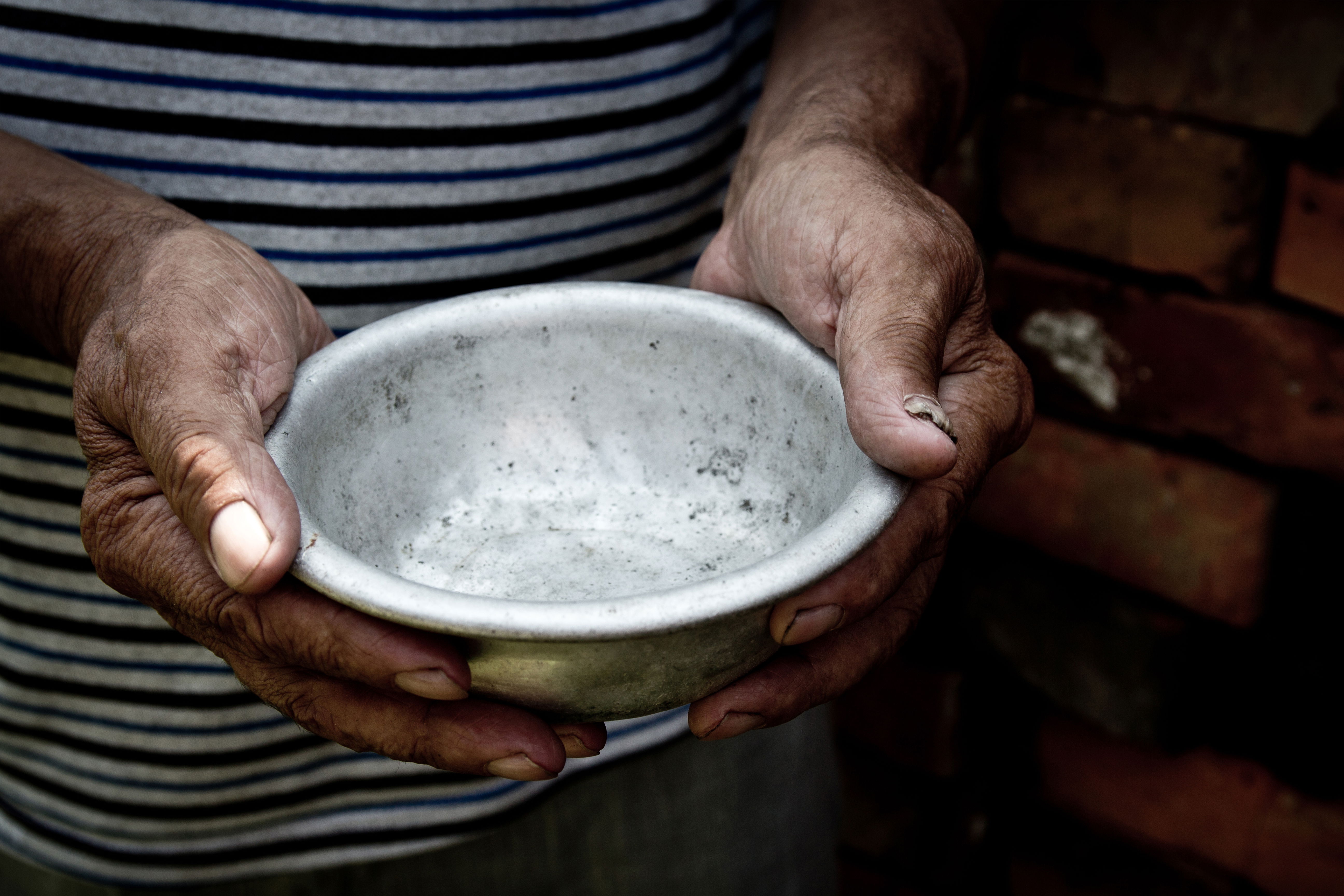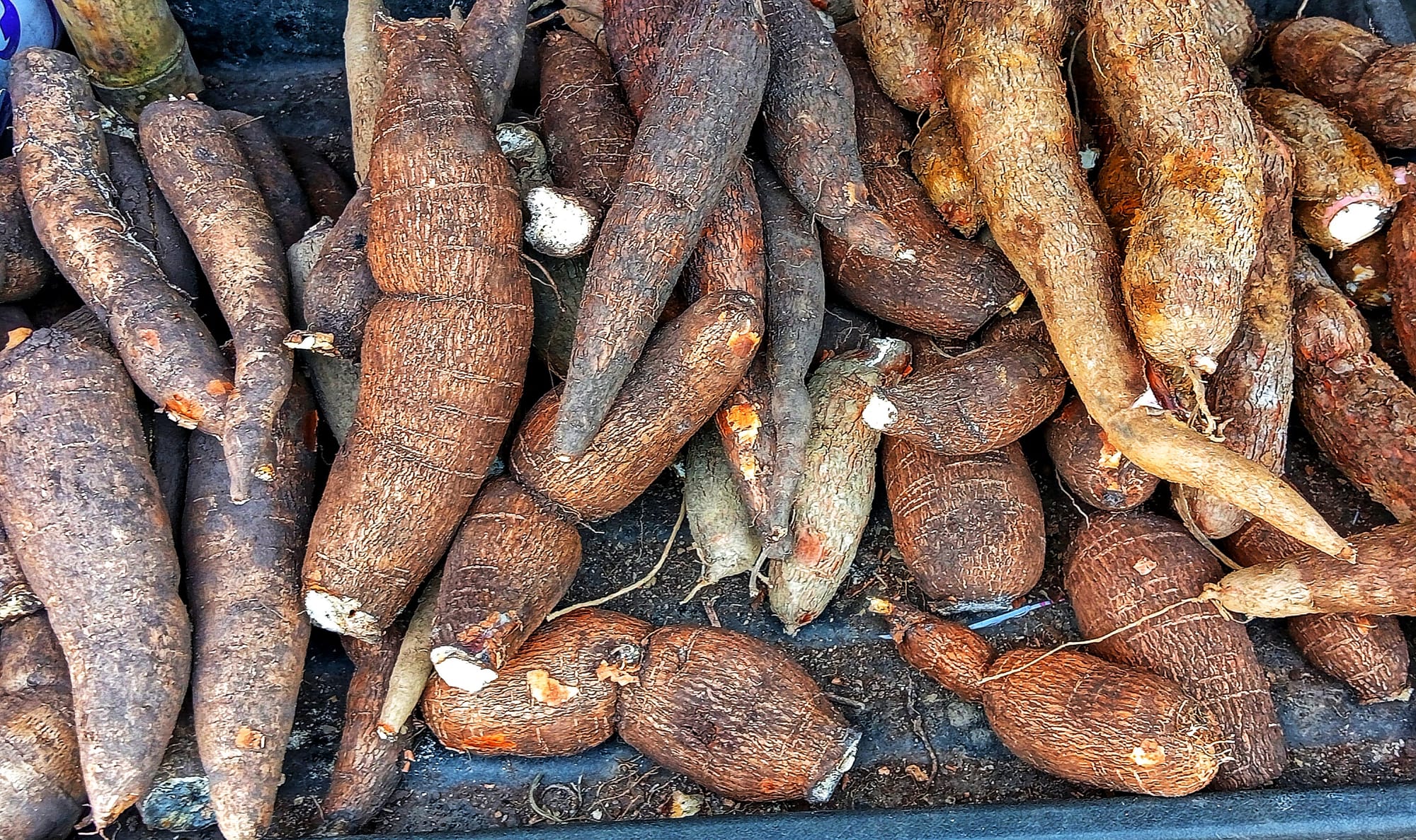
More than 60% of Liberians depend on agriculture and related rural livelihoods for income and daily sustenance, making the performance of the food and agricultural system central to national development. Strengthening this system-from farm production and storage to processing, distribution, and nutrition-can directly reduce poverty, improve household resilience, and lower the risk of food insecurity, particularly for vulnerable groups such as children and low-income rural families. The Helping Hands Network of Liberia (hehanol) will support improved food security in Liberia through a set of integrated interventions, including: Providing school meals to primary school children, helping to increase attendance and concentration while ensuring children receive at least one nutritious meal per school day, Providing take-home rations to schoolgirls from poor households, offering an added incentive for continued enrollment and reducing pressure on families to withdraw girls from school during periods of economic hardship\nPromoting food assistance for assets (FFA) projects, where communities receive food support while creating or rehabilitating productive assets such as feeder roads, small-scale irrigation, drainage systems, communal farms, and market shelters that strengthen local food supply chains, Establishing community grain reserves, enabling communities to store staple crops after harvest, stabilize seasonal price spikes, and ensure availability during lean periods or emergencies, Linking farmers' organizations to markets, improving access to buyers and agribusiness services through aggregation, quality standards, market information, contract farming opportunities, and stronger negotiation capacity for fairer prices".